
The Hidden Cost of Poor Lead Qualification And How Elite B2B Teams Protect Revenue
The 2026 B2B Demand Generation Playbook:
From
Intent to Revenue
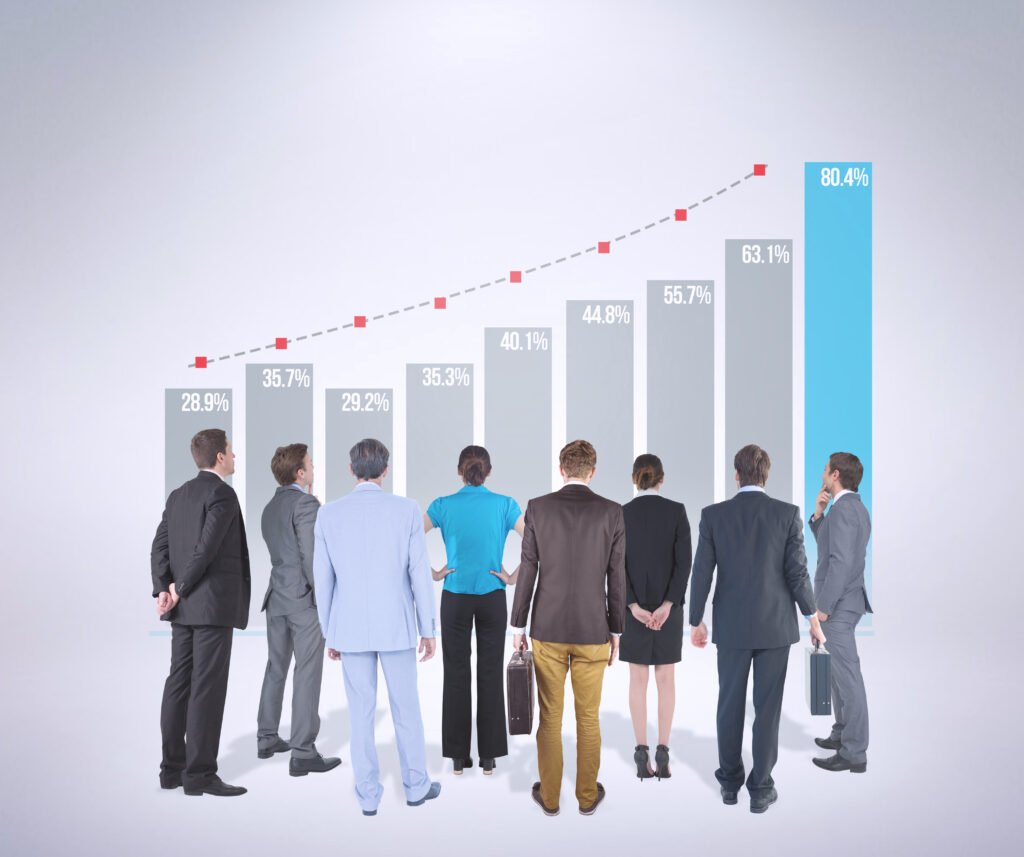
B2B demand generation is no longer about filling the funnel. It’s about engineering predictable revenue in a buying environment that is more complex, more data-driven, and more competitive than ever before. In 2026, the companies winning market share are not those generating the most leads — they are the ones converting buying intent into pipeline with precision. This playbook outlines what high-performance B2B teams are doing differently — and how to build a demand engine that delivers measurable revenue impact.
1. Demand Generation Is Now Buyer-Led, Not Brand-Led
Modern B2B buyers complete over 60–70% of their research before engaging sales. Traditional demand models fail because they interrupt rather than align with intent. The shift for 2026 includes:
- Intent signal monitoring
- Behavioral engagement tracking
- Topic-level interest mapping
- Account-based intelligence The best teams track buying momentum — not just audiences.
2. Intent Data Is Only Powerful If Activated Correctly
Intent data must be operationalized. Winning teams use signals to:
- Refine ICP targeting dynamically
- Prioritize outreach by buying stage
- Align messaging to research themes
- Trigger multi-touch campaigns Intent with structured execution becomes revenue acceleration.
3. The Rise of Multi-Layered Demand Architecture
Single-channel strategies are obsolete. High performance programs integrate:
- Content syndication
- Account-based outreach
- Multi-touch sequencing
- Retargeting ecosystems
- SDR alignment
- Marketing automation In 2026, demand generation is infrastructure — not activity.
4. AI + Human Intelligence = Scalable Precision
AI enhances targeting but must be layered with human validation. Leading teams combine:
- AI data enrichment
- Predictive scoring
- Behavioral analysis
- Human verification
- Sales validation loops Automation scales execution.
Human intelligence protects reputation.
5. Revenue Alignment Is the New KPI Standard
MQLs are declining in importance. Revenue teams now focus on:
Cost per SQL • Opportunity conversion rate
Pipeline velocity • Influenced revenue
ROI by channel If it doesn’t influence pipeline value, it doesn’t scale.
6. Account-Based Demand Becomes the Norm
Broad-based programs are replaced by:
- Account-level strategies
- Buying committee mapping
- Multi-stakeholder nurturing
- Personalized content streams Demand generation is about activating accounts — not collecting contacts.
The 2026 High-Performance Demand Framework
Five Pillars:
- • Intent Intelligence
- • ICP Precision
- • Multi-Touch Orchestration
- • Qualification Discipline
- • Revenue Accountability This is the difference between activity and engineering.
Final Thought
The future of B2B demand generation belongs to companies that move from: Leads → Intent
Campaigns → Architecture Metrics → Revenue The question isn’t whether demand generation
works. The question is whether your framework is built for 2026
Have Any Question?
If you’re struggling with lead quality, campaign performance, or scaling demand generation, you’re not alone. Let’s help you build a predictable revenue engine
- +91 9370106590
- contact@abstractlogimedia.com
Categories
Ideas That Outperform Don’t
Happen by Accident
Let’s build revenue programs that move the needle.
Book Your Strategy Call →
Abstract Logi Media delivers smart, targeted lead generation solutions that help businesses grow faster with quality, accuracy, and consistency.
Quick Links
Useful Links
Copyright © 2026 All Rights Reserved by Abstract Logi Media